Follow Me On Social Media!

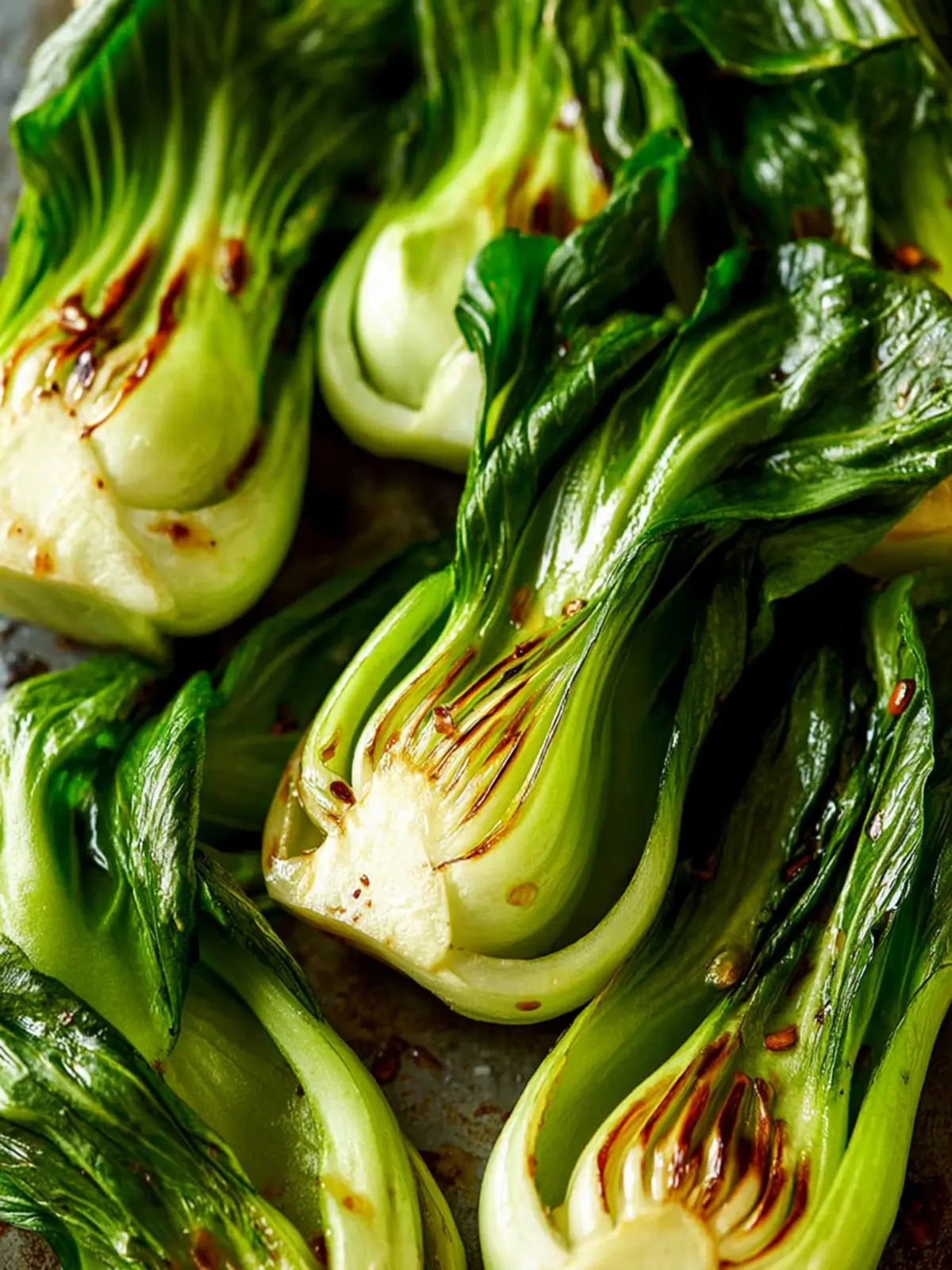
Guide to Cooking Bok Choy: Easy, Flavor-Packed Recipes!

Introduction to Cooking Bok Choy
In the world of vibrant vegetables, bok choy often remains a hidden gem in many kitchens. Known for its crisp texture and slightly peppery flavor, this Chinese cabbage is not just a staple in Asian cuisine; it can elevate any dish with its versatility and nutritional benefits. Imagine creating a dish that not only satisfies your palate but also fuels your body—bok choy helps you achieve that effortlessly.
Why Bok Choy is a Hidden Gem in Your Kitchen
So, what makes bok choy worthy of a spot in your culinary repertoire? For starters, this leafy green is packed with nutrients. Rich in vitamins A, C, and K, as well as calcium and iron, bok choy is a powerhouse of health benefits. It’s great for promoting healthy skin, boosting your immune system, and even supporting bone health. Moreover, its low-calorie count means you can enjoy it freely, adding it to salads, stir-fries, or soups without guilt.
Another compelling reason to incorporate bok choy into your meals is its culinary flexibility. Whether you prefer it raw, sautéed, or steamed, this vegetable adapts beautifully to various cooking methods. You can toss it into a vibrant stir-fry alongside other vegetables, steam it lightly to retain its crunch, or even include it in hearty soups for added texture. The subtle flavor of bok choy enhances rather than overpowers, making it a fantastic companion to a variety of proteins and grains.
If you’re new to cooking bok choy, don’t worry! This guide to cooking bok choy will provide you with the tips you need to make the most of this delightful vegetable. From washing and preparing it to discovering various cooking techniques, we’ll cover everything you need to know to bring that delightful crunch and mild flavor to your table. So, ready to explore the delicious possibilities of bok choy? Let’s get started!
Key Ingredients for Cooking Bok Choy
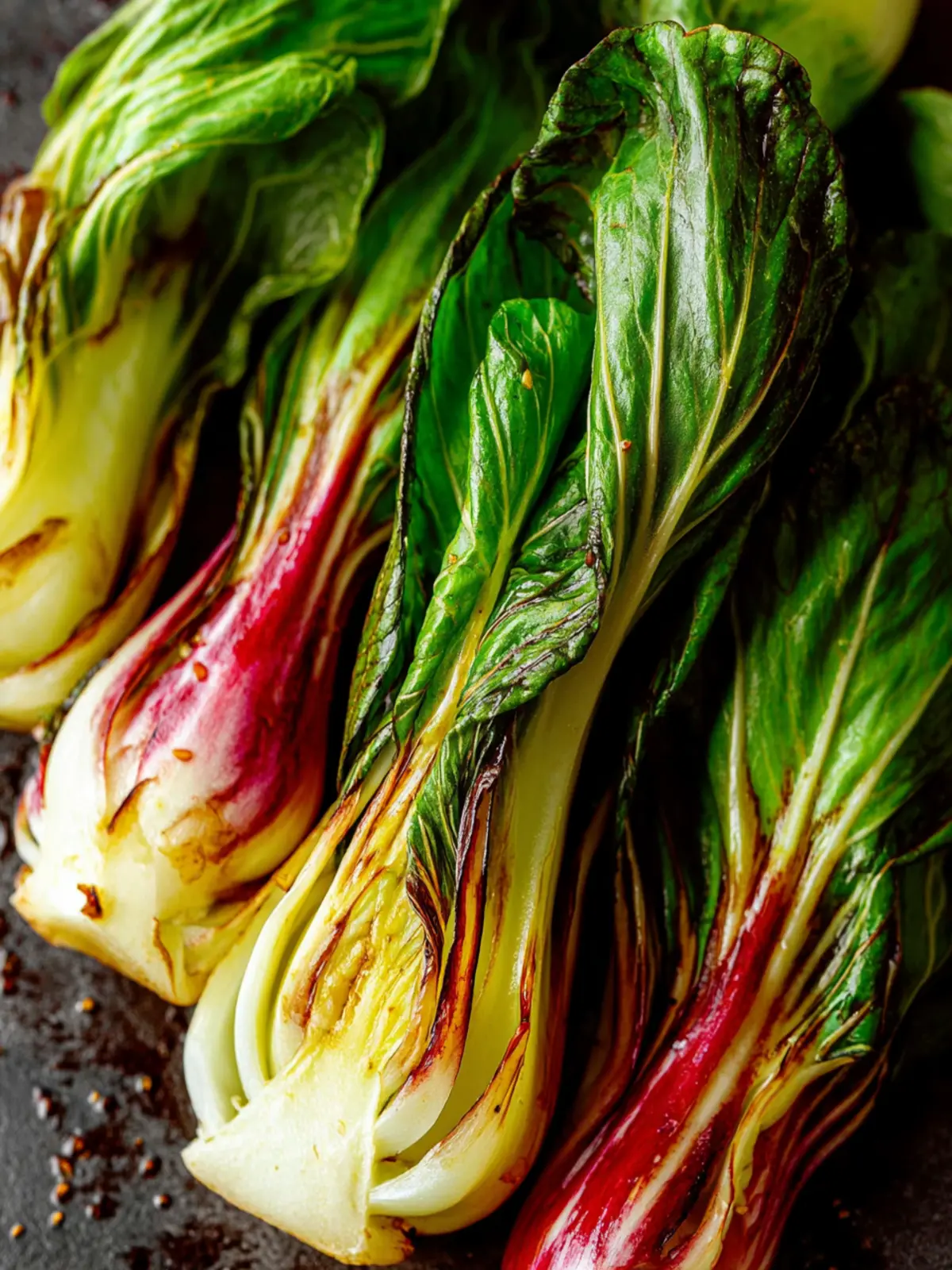
Cooking bok choy is not just about tossing vegetables in a pan—it’s about embracing a unique flavor that can elevate any dish. This versatile green, with its crisp leaves and subtle peppery taste, becomes even more delightful when paired with the right components.
-
Bok Choy: Naturally, the star of the show is the bok choy itself. Opt for fresh, vibrant stalks; the larger ones bring a satisfying crunch, while baby bok choy offers a tender alternative.
-
Garlic: Incorporating fresh garlic provides that aromatic kick, enhancing the overall flavor profile. It infuses the dish with warmth and depth, perfectly complementing the greens.
-
Ginger: A touch of minced or grated ginger can brighten things up, adding a zesty note that pairs wonderfully with the earthy taste of bok choy.
-
Soy Sauce: A splash of soy sauce brings umami richness. Adjust the quantity based on your taste preferences, and for a healthier option, you can choose low-sodium soy sauce.
-
Sesame Oil: Drizzling a bit of sesame oil at the end of cooking imparts a nutty aroma; it’s a small step that makes a big difference.
Try these ingredients together to experience the transformative power of bok choy in your meals!
Why You’ll Love This Bok Choy Recipe
Bok choy, often hailed as a superfood, brings a delightful crunch and a burst of flavor to your meals. This bok choy recipe not only highlights its naturally sweet and peppery essence but also transforms this humble green into a culinary star. Imagine a vibrant stir-fry that sizzles in your pan, filling your kitchen with an irresistible aroma — it’s not just food; it’s an experience.
This recipe is wonderfully simple, making it perfect for busy weeknights while still impressing dinner guests. Whether you enjoy it on its own or as a colorful side dish, the versatility of bok choy means it pairs brilliantly with everything from grilled chicken to tofu. Plus, you get to reap the nutritional benefits of this leafy green, packed with vitamins A, C, and K.
In this guide to cooking bok choy, you will learn tips for selecting the freshest produce and the best techniques for cooking it to perfection. Not only is this recipe quick to prepare, but it also encourages experimentation — feel free to add your favorite proteins or spices! Trust me, once you try this delightful bok choy dish, it will become a staple in your kitchen repertoire.
Variations to Explore
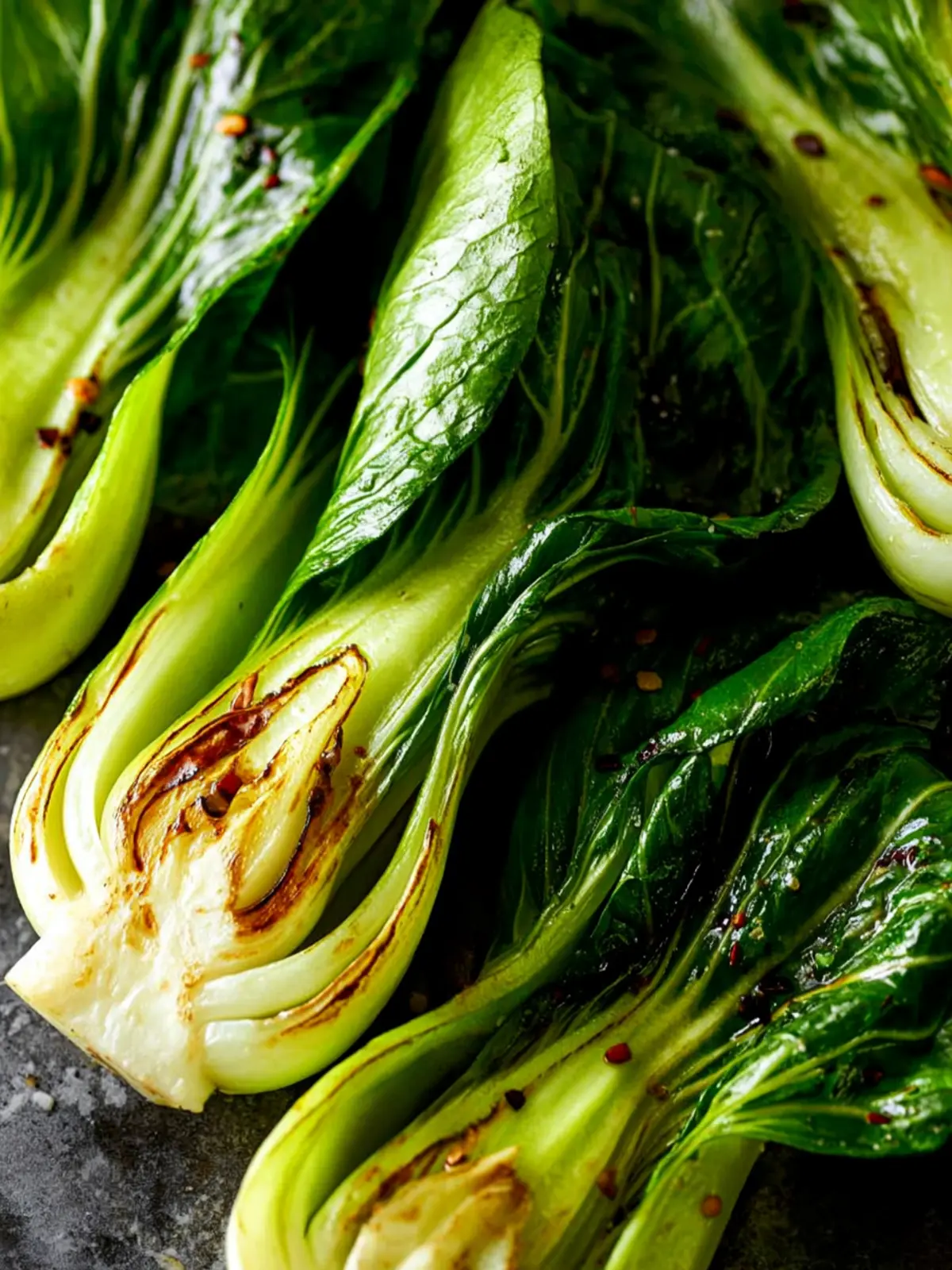
Bok choy’s versatility shines remarkably in various dishes, making it a delightful addition to your kitchen adventures. Here are a few variations that elevate your guide to cooking bok choy to a new level:
Stir-Fried Bok Choy with Garlic and Ginger
This classic combination adds a punchy flavor. Simply slice your bok choy and sauté it with minced garlic and fresh ginger in a splash of oil. The fragrant aroma that fills your kitchen is irresistible!
Bok Choy in a Spicy Peanut Sauce
If you’re craving something rich and unique, try steaming bok choy and tossing it in a homemade spicy peanut sauce. Mixing peanut butter, soy sauce, and chili paste creates a creamy, spicy dressing that pairs beautifully with the crisp texture of the bok choy.
Bok Choy Salad with Citrus Vinaigrette
For a refreshing take, shred raw bok choy and combine it with oranges, almonds, and a citrus vinaigrette. The crunch of the bok choy, paired with the sweetness of oranges, makes for a vibrant, healthy salad that’s perfect for warm days.
Braised Bok Choy in Vegetable Broth
For a cozy, comforting dish, braise bok choy in vegetable broth with some sesame oil. The broth soaks into the greens, making them tender and flavorful.
Exploring these variations not only enhances your meals but also showcases the adaptability of bok choy in various cuisines.
Cooking Tips and Notes
When getting started with your guide to cooking bok choy, consider these helpful tips to elevate your dish and ensure you enjoy this delightful vegetable to its fullest.
Choose Fresh Bok Choy
Opt for bok choy that has vibrant green leaves and firm stems. Freshness is key; avoid any with yellowing leaves or signs of wilting. The crunchiness and flavor of fresh bok choy can dramatically enhance your dish.
Cutting Techniques
To highlight the beautiful texture of bok choy, try slicing the stems at an angle before cooking. This not only adds a unique aesthetic but also allows for better flavor absorption. Don’t forget to reserve the leaves for a quick toss, as they only need a minute or two to wilt perfectly.
Cooking Methods Matter
While sautéing is a popular option, consider steaming or stir-frying bok choy to preserve its nutrients and natural crunch. Each method brings out different aspects of the vegetable, so experiment to find your favorite.
Seasoning Tips
Bok choy has a mild flavor, so don’t hesitate to amp up the seasoning. Adding soy sauce, garlic, or sesame oil can create a vibrant mix. Remember, the right balance of flavors can transform a simple dish into something extraordinary.
Pairing Suggestions
Bok choy pairs well with proteins like chicken, tofu, or shrimp. Its versatility makes it an ideal companion for various cuisines, so let your creativity shine in choosing complementary ingredients.
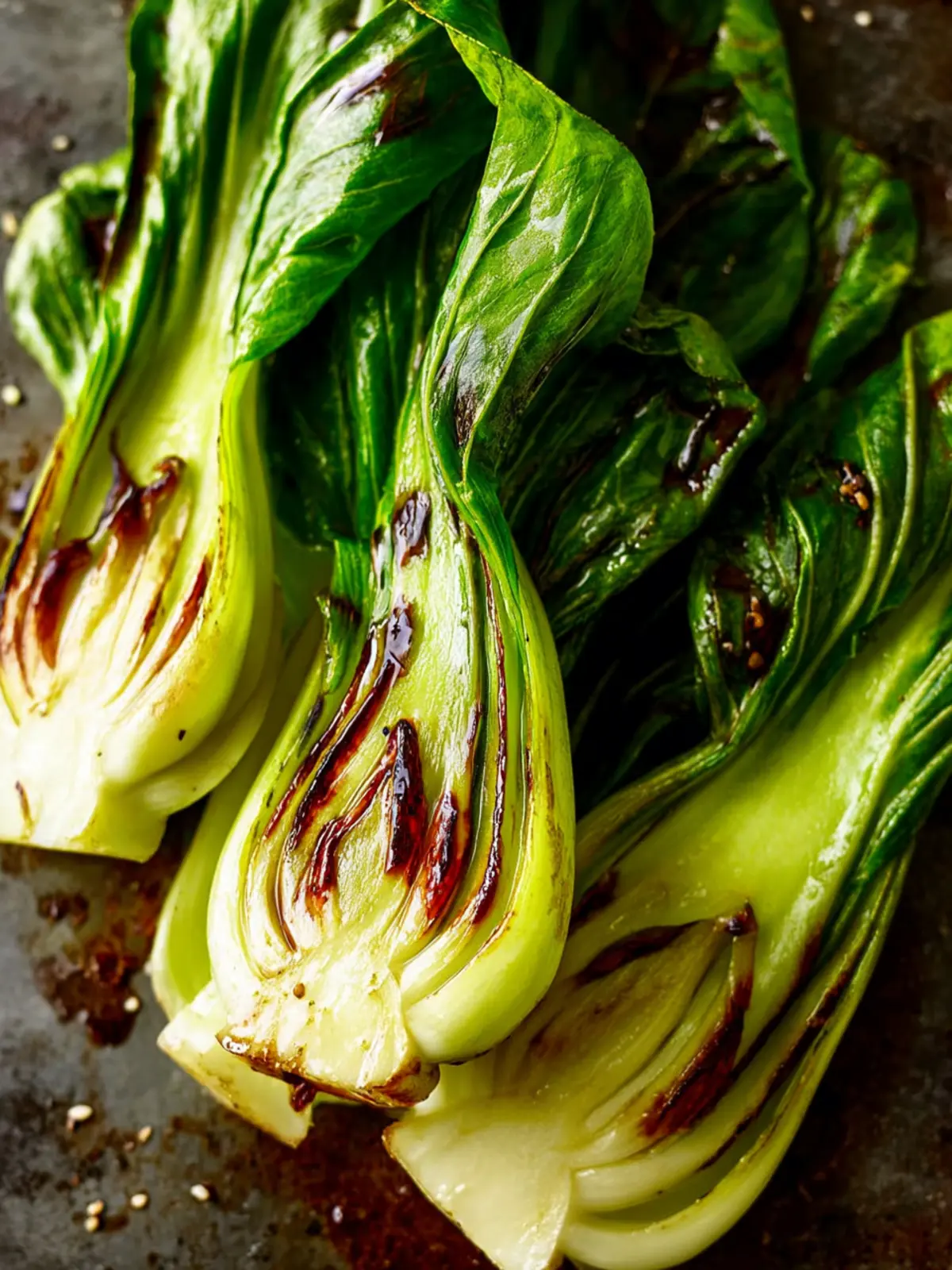
Serving Suggestions for Bok Choy
The beauty of bok choy lies not just in its nutritious profile but also in its incredible versatility across various cuisines. To truly elevate your bok choy experience, consider these delightful serving suggestions that weave in flavors from around the world.
Pairing with Proteins
- Stir-fry: Sauté bok choy with your favorite proteins like chicken, shrimp, or tofu. The tender greens absorb the savory sauce beautifully, creating a comforting bowl.
- Grilled: For an extra smoky flavor, grill bok choy alongside your meats. A simple drizzle of olive oil, salt, and pepper enhances its natural sweetness.
Salad Inspirations
- Asian Salad: Toss raw bok choy with shredded carrots, bell peppers, and a sesame dressing for a crunchy, vibrant salad that’s perfect for lunches or light dinners.
Soup Enhancements
- Broth Booster: Add bok choy to any broth-based soup, such as ramen or miso, giving it an earthy flavor and a nutrient-packed boost.
Complement with Grains
- Rice Bowl: Serve bok choy over steamed rice or quinoa, topped with a fried egg and a dash of soy sauce for a quick yet satisfying meal.
These suggestions can help you maximize the delicious possibilities that bok choy brings to your plate. Embrace the adventure of creating culinary combinations as you explore this guide to cooking bok choy.
Time Breakdown for Bok Choy
Cooking bok choy can be a delightful journey that leads you to savory, fresh flavors on your plate. Understanding the time factors involved will help you seamlessly integrate it into your meal prep.
Preparation Time
Getting your bok choy ready takes about 10 minutes. You’ll want to rinse it thoroughly to remove any grit and then slice off the root end. A quick trim and rinse ensure you have the freshest greens for your meal.
Cooking Time
Depending on your method—steaming, sautéing, or stir-frying—cooking will typically take 5 to 10 minutes. Just keep an eye on it; overcooking can turn those vibrant greens into a muted shade.
Total Time
In total, you should set aside approximately 15 to 20 minutes for preparing and cooking bok choy. This quick turnaround makes it a fantastic addition to any bustling weeknight dinner, blending well with various dishes and cuisines. Enjoy your culinary adventures in this guide to cooking bok choy!
Nutritional Facts for Bok Choy
Bok choy, a beloved green in many Asian dishes, is not only versatile but also packed with nutrients that add to its culinary charm. Knowing its nutritional benefits can help you appreciate this wonderful vegetable even more.
Calories
In just one cup of raw bok choy, you’ll find approximately 9 calories. This makes it a fantastic choice for those looking to maintain a healthy diet without sacrificing volume in meals.
Protein
Surprisingly, bok choy contains about 1 gram of protein per cup. While it may not be a primary source of protein, it adds some essential amino acids to your plate, particularly useful in a vegetarian lifestyle.
Sodium
One of the best parts about bok choy is its low sodium content, featuring less than 1 milligram per cup. This makes it heart-healthy and perfect for seasoning your dishes without the added salt.
Adding bok choy to your meals not only enhances flavor but also keeps your nutritional goals on track! Make it a staple in your cooking routine as you explore delicious ways in this guide to cooking bok choy.
FAQ about Cooking Bok Choy
Navigating the world of cooking bok choy can be a delightful journey, especially given its versatility in various dishes. It’s a crisp, slightly sweet vegetable that can truly elevate your meals. Here are some frequently asked questions to help you get the most out of your bok choy experience.
What dishes pair well with bok choy?
If you’re wondering how to incorporate this leafy green into your meals, consider these delicious pairings:
- Stir-fries: Bok choy shines when quickly sautéed with garlic, ginger, and your choice of protein.
- Soups: Add bok choy to Asian-style soups for a boost of nutrition and texture.
- Grains: Serve it alongside rice or quinoa, tossing it in just before serving for a warm, nutritious crunch.
- Seafood: It complements fish dishes beautifully, especially when steamed or sautéed lightly.
How do I store leftover cooked bok choy?
To keep your leftover cooked bok choy fresh, let it cool down to room temperature first. Then, place it in an airtight container and store it in the refrigerator. It should be consumed within 3-5 days for the best flavor and texture. When you’re ready to use it, a light reheating in the microwave or on the stovetop will do wonders.
Can I use bok choy in salads or sandwiches?
Absolutely! Bok choy can add a refreshing crunch to salads. Use the tender leaves raw, or for a twist, lightly blanch them for a short time. It also works wonderfully in sandwiches; just thinly slice the leaves to add a sturdy, nutritious element between your favorite bread. Experimenting with bok choy in these ways can introduce exciting flavors and textures to your meals, enhancing your culinary repertoire.
Conclusion on Cooking Bok Choy
Mastering bok choy can dramatically elevate your culinary skills, and you’ll quickly impress your friends with this delightful green vegetable. With its tender leaves and crunchy stems, this versatile ingredient thrives in various dishes, from stir-fries to salads. As outlined in this guide to cooking bok choy, it’s all about honoring its natural flavors while also enjoying the health benefits it brings to your plate. Remember to experiment with different cooking styles and pairings to find your favorite combination. Your taste buds will thank you, and you’ll have plenty of delicious meals to share!
Print
Garlic Baby Bok Choy
- Total Time: 20 minutes
- Yield: 4 servings 1x
- Diet: Vegetarian
Description
A delicious and quick garlic baby bok choy recipe that makes for a perfect side dish.
Ingredients
Scale
- 1 pound baby bok choy
- 2 tablespoons less sodium soy sauce
- 1 tablespoon water
- 1 tablespoon rice vinegar
- 1 tablespoon Asian sweet chili sauce
- 2 teaspoons toasted sesame oil
- 2–3 cloves garlic, minced
- 2 teaspoons freshly grated ginger
- 1/8–1/4 teaspoon red pepper flakes
Instructions
- Whisk the sauce ingredients together in a small bowl; set aside.
- Place the bok choy in a colander and rinse with cold water, rubbing any grit or dirt from between the leaves; pat dry with a kitchen towel or paper towels.
- Cut each bok choy in half lengthwise.
- Heat 1 tablespoon vegetable oil in a large nonstick skillet over medium-high heat. Add the bok choy in a single layer cut side down and cook without stirring until the bottoms start to brown, about 2 minutes.
- Using tongs, flip the bok choy over and cook until the stalks begin to soften but still have some crunch (the leaves will be wilted), about 2 additional minutes. Transfer to a plate.
- Reduce heat to medium-low and add the sauce to the skillet. Simmer for 30 seconds or until slightly thickened whisking constantly (don’t burn the garlic!).
- Add bok choy back to the skillet and turn with tongs until the sauce glazes each bok choy halve.
- Transfer to a platter and garnish with sesame seeds. Serve immediately.
Notes
- For added flavor, consider using a splash of lime juice before serving.
- This dish pairs well with rice or noodles.
- Prep Time: 10 minutes
- Cook Time: 10 minutes
- Category: Vegetables
- Method: Sauté
- Cuisine: Asian
Nutrition
- Serving Size: 1 cup
- Calories: 70
- Sugar: 1g
- Sodium: 300mg
- Fat: 4g
- Saturated Fat: 0.5g
- Unsaturated Fat: 3g
- Trans Fat: 0g
- Carbohydrates: 8g
- Fiber: 3g
- Protein: 3g
- Cholesterol: 0mg